
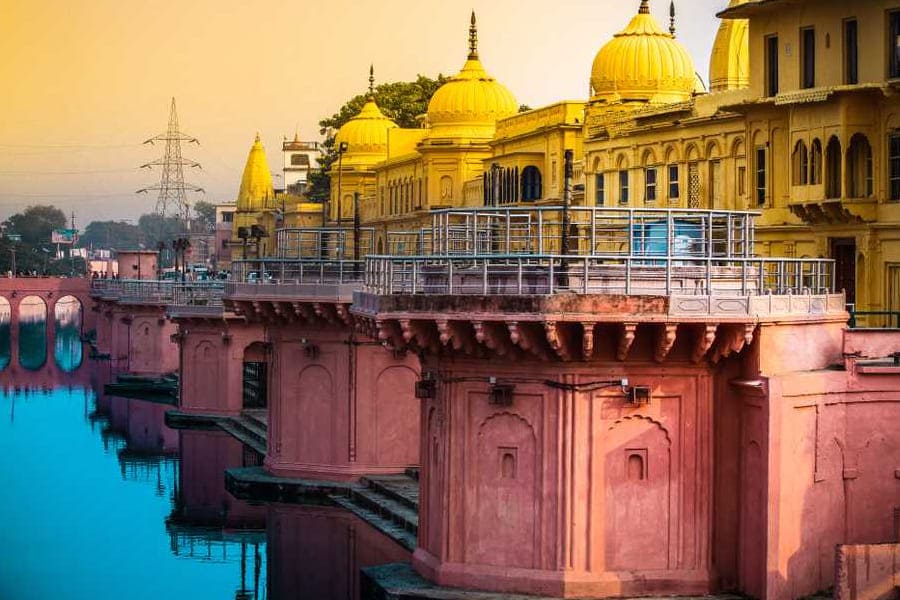
Ram Janmabhoomi Ayodhya attracts visitors with its grand Ram Temple architecture, divine atmosphere, and deep spiritual significance. The intricate carvings, beautiful lighting, and serenity of the nearby Saryu River create a truly peaceful experience. Every visitor feels a unique blend of devotion, culture, and history at this sacred destination.
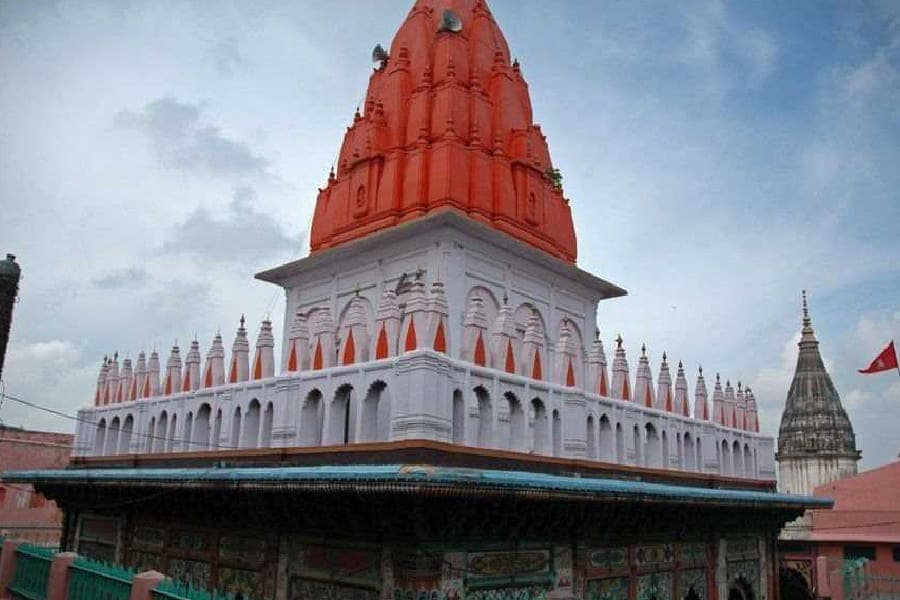
Located in Sai Nagar, Hanuman Garhi is a 10th-century temple dedicated to the Hindu God, Hanuman. It is one of the most important temples in Ayodhya as it is customary to visit Hanuman Garhi before visiting the Ram Temple in Ayodhya. It is believed that Lord Hanuman lived at the temple site guarding Ayodhya.
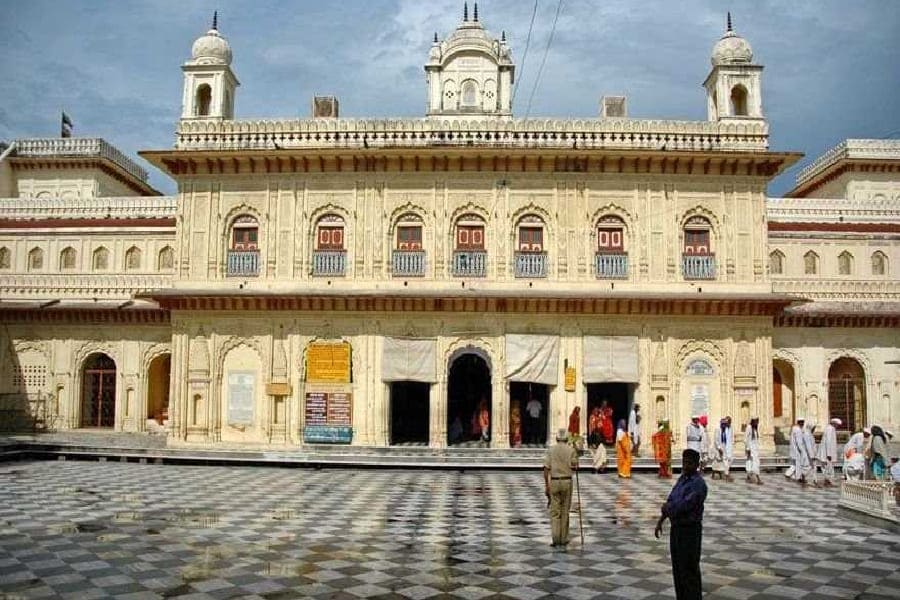
The Kanak Bhawan is established towards the northeastern corner of the Ram Janmabhoomi in Tulsi Nagar. Constructed in 1891, this temple is also known as Sone-ka-Ghar. It is a holy site dedicated to the Hindu deity Lord Rama and his wife, Goddess Sita.
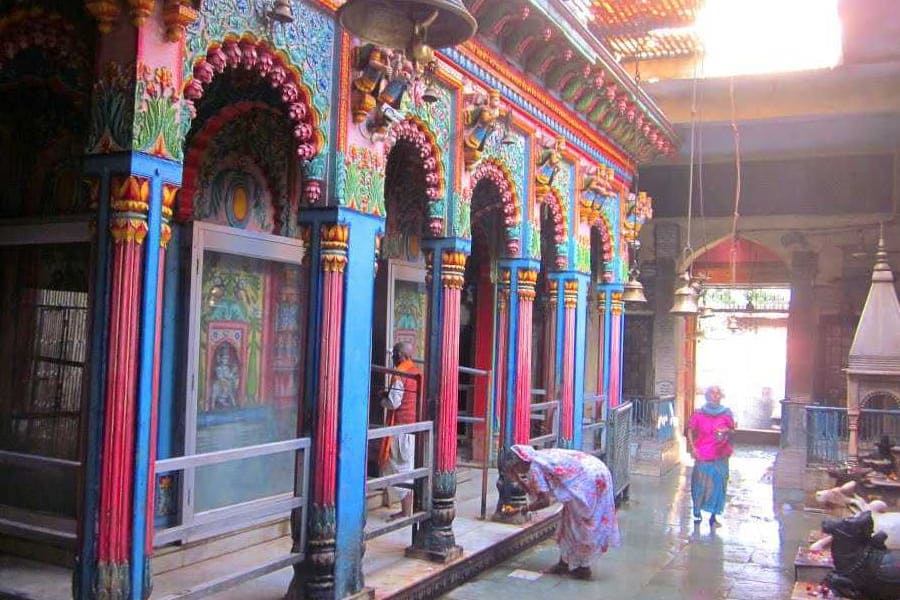
Established in the name of the local deity, Lord Nageshwarnath, the Nageshwarnath Temple is located adjacent to the Theri Bazaar in Ayodhya. It is believed to have been set up by Kush or Kusha, Lord Rama's son.
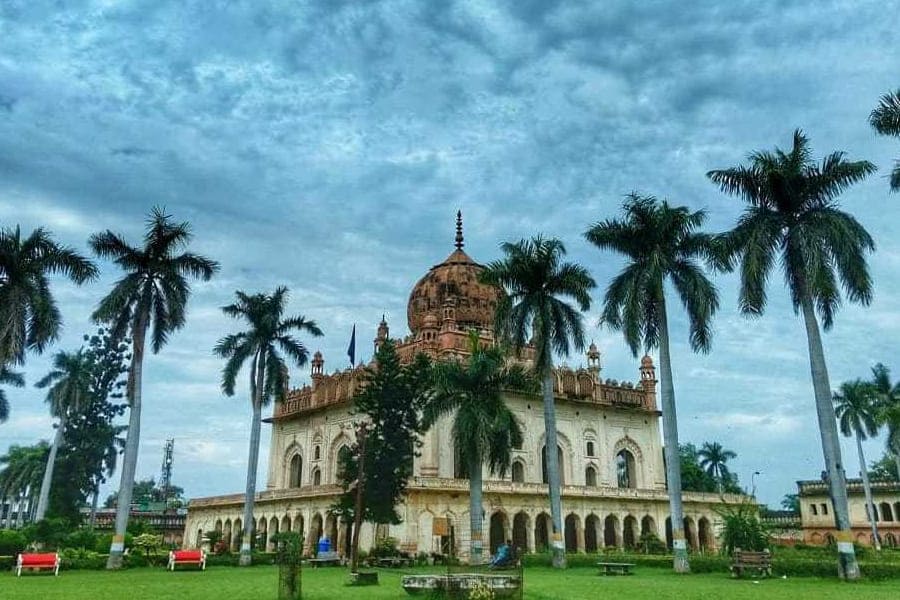
Also known as the Garden of Roses, the Gulab Bari is situated in Vaidehi Nagar. It is the tomb of the third Nawab of Faizabad (Oudh or Awadh), Nawab Shuja-ud-Daula and his parents.
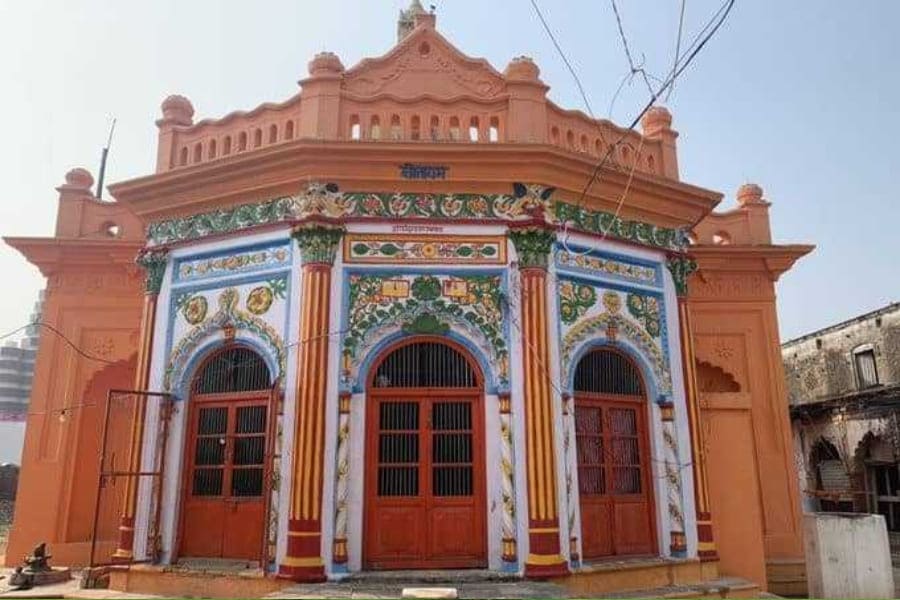
Shri Sita Rasoi Bhojnalaya, Ayodhya is known for its peaceful ambience and traditional flavors that reflect the essence of Ayodhya’s heritage. Visitors enjoy simple, satvik and homely meals prepared with purity and devotion. It offers a serene dining experience that connects people to the cultural and spiritual warmth of the holy city.
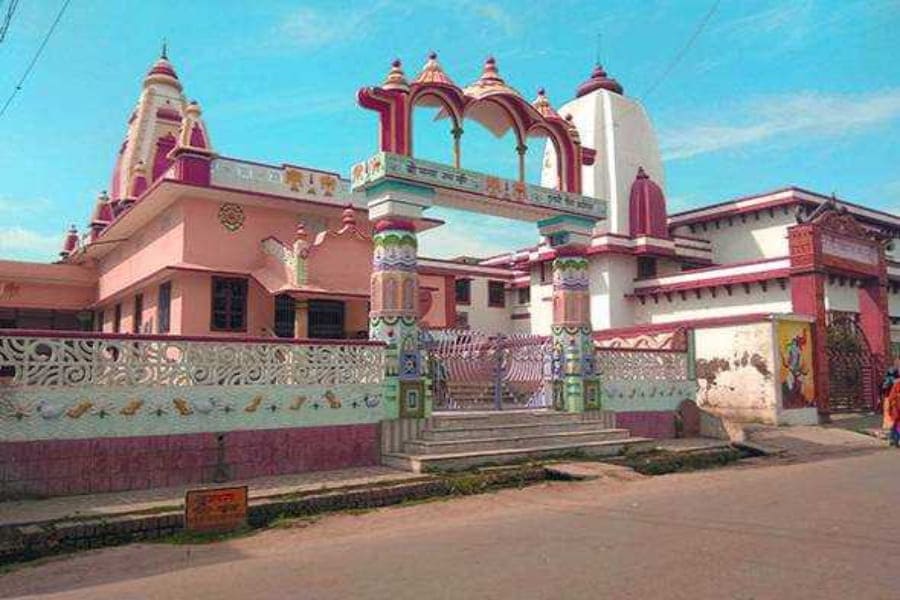
Established in the memory of 16th-century saint-poet Goswami Tulsidas, the Tulsi Smarak Bhawan is believed to have been the place where Tulsidas composed the Ramcharita. Located on the eastern end of the National Highway at Rajgang Crossing in Ayodhya, the Smarak was built in 1969, Sri Vishwanath Das, the Governor of Uttar Pradesh of the time.
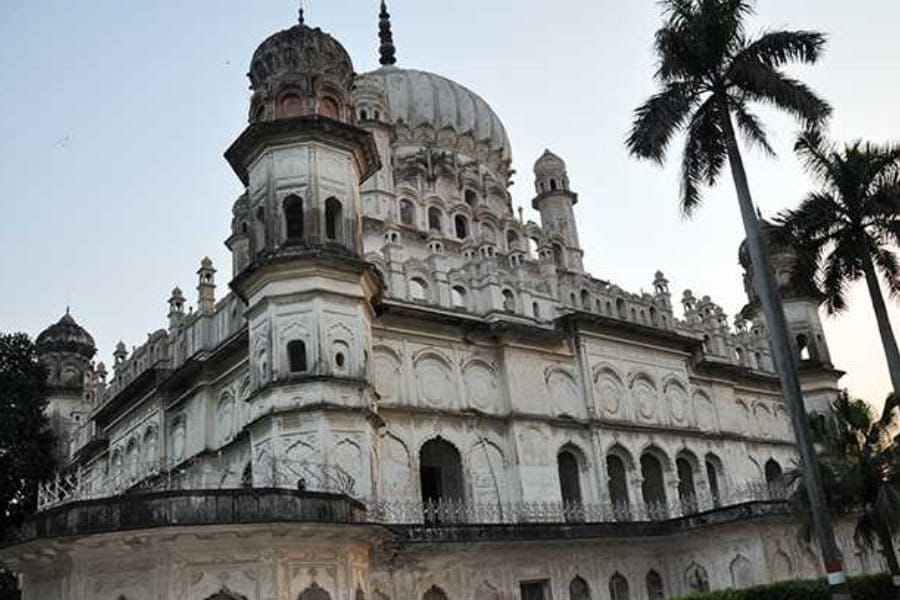
Located on the Maqbara Road in the town of Faizabad, Bahu Begum ka Makbara is a popularly known as the “Taj Mahal of the East”. The unique mausoleum dedicated to the Queen Bride Begum Unmatuzzohra Bano, wife and queen of Nawab Shuja- ud- Daula, is the tallest monument in all of Faizabad and is famous for its non-Mughal architectural brilliance.
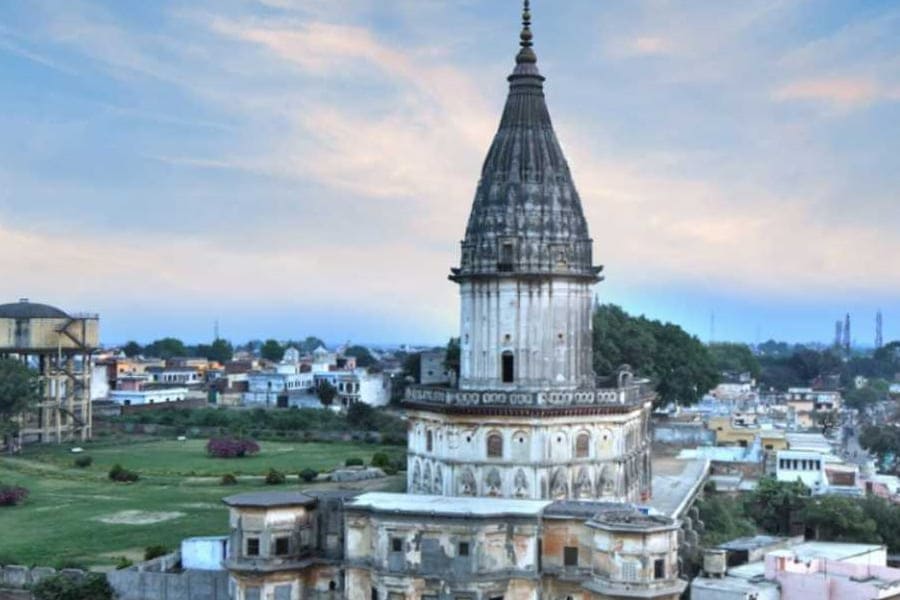
Raj Dwar Mandir, located in Ayodhya, is a significant temple renowned for its architectural splendor and spiritual ambiance. The temple is adorned with intricately carved idols of Hindu deities, dressed in luxurious fabrics and jewelry, showcasing the brilliance of Hindu architecture. Visitors can explore the temple's detailed architecture, participate in religious rituals, and experience the peaceful atmosphere, making it an ideal setting for meditation and prayer.
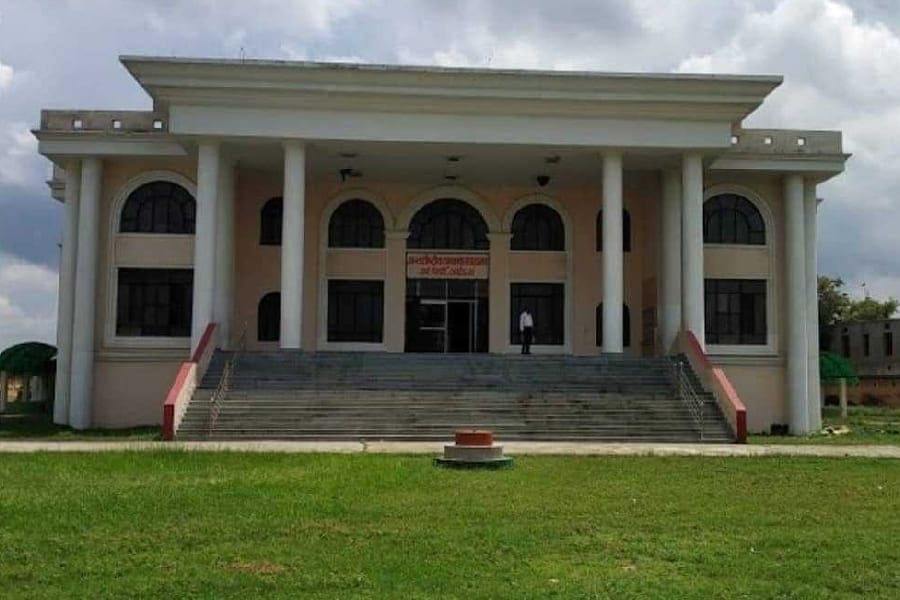
Ram Katha Park is a beautiful park in Ayodhya, housing open-air theatres and well-kept lawns. Spread over a vast area of land, it is a popular venue for the devotional programmes, cultural performances, religious events, dance, poetry and katha recital sessions.